The Code Zone blog

Coding for kids, explained for parents

Straight answers to the questions parents actually ask: what Scratch is for, when to move to Python, and what to do when other clubs have not worked out.

How to choose an online coding club (and the questions to ask any provider)

You've probably got six tabs open, and they all say the same thing. Small groups, expert tutors, personalised learning. None of it tells you the one thing you actually want to know, which is what a Tuesday afternoon would be like for your child. So here are the questions that do get you that, what a good answer sounds like, and the...

Coding clubs for autistic and ADHD children: what actually works

Many of the children at our clubs are autistic, have ADHD, or learn in ways school doesn't always suit. Their parents often arrive telling us a similar story: their child is clearly bright, loves computers, has tried other clubs (sport, Scouts, music) and it hasn't worked. They're wondering, half hopeful and half braced for...

How to support a coding-mad child when you can't code

You don't need to learn to code to help your child. What they actually need from you has almost nothing to do with coding, and nobody tells non-technical parents this, so it's worth saying plainly.

What is Spiral Learning?

In our clubs we use something called Spiral Learning... but what does that mean? Keep reading to find out more about this awesome learning technique, and how it works in our clubs!

Your child has outgrown Scratch. What next?

Scratch is brilliant, and sooner or later most children announce they have finished it. If yours has started saying “Scratch can’t do that”, or remaking the same game with different sprites, or watching videos about “real” coding, they are telling you something. It is just rarely the thing parents assume.

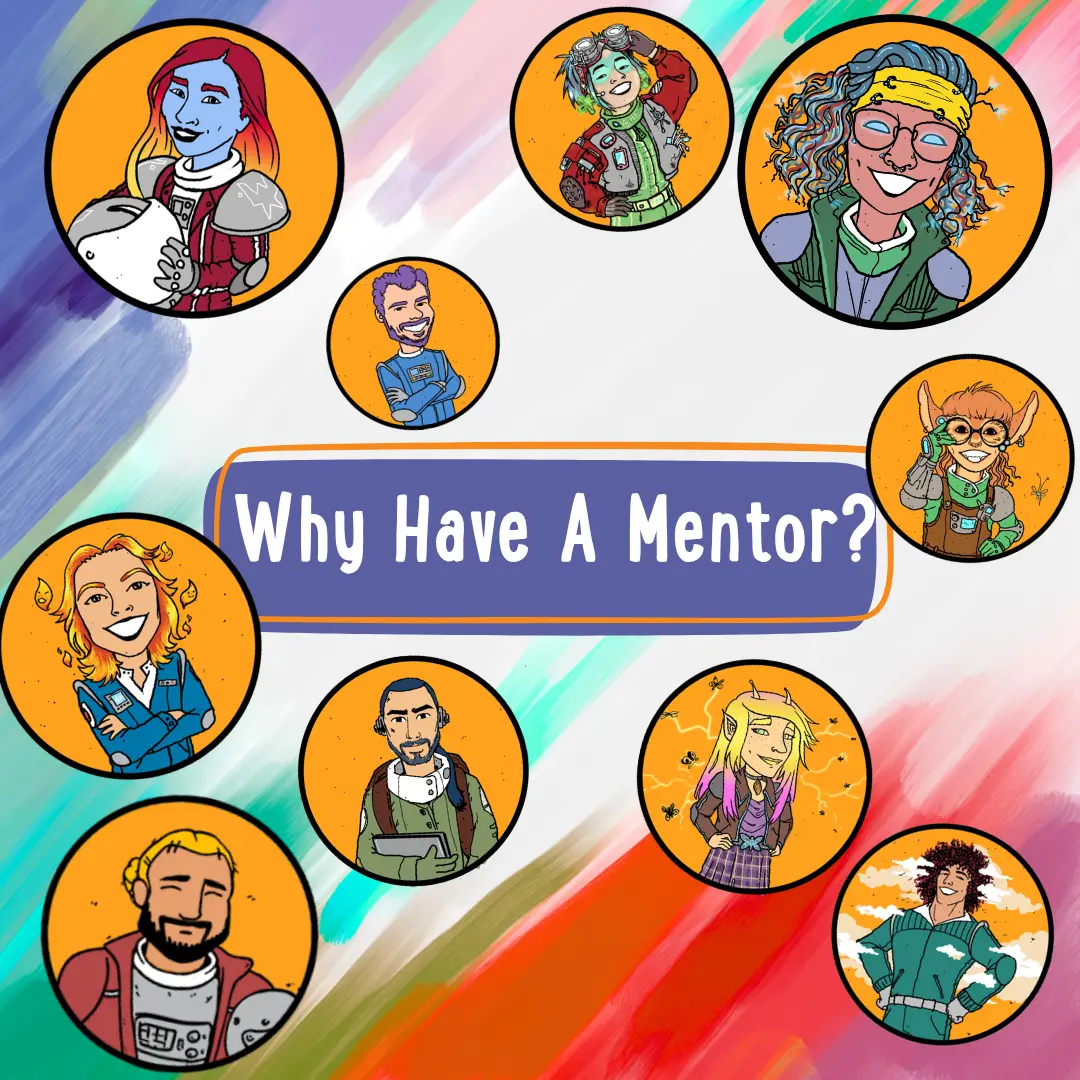
Why Have A Coding Mentor?

When learning how to code there are loads of different options out there, but here at The Code Zone we think the best way to learn is with mentor support! Keep reading to find out why...

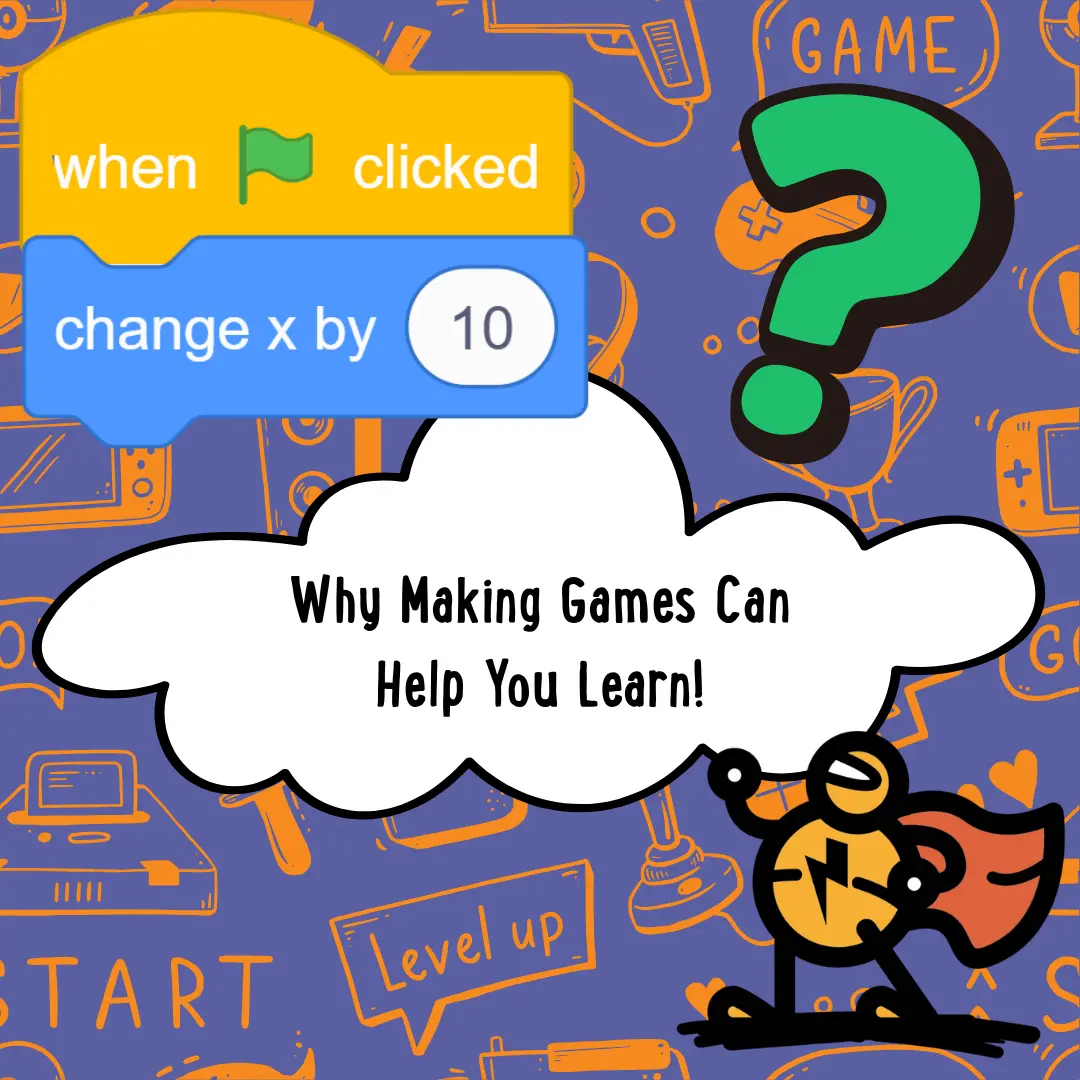
Why you should make your own games

Our Spring Game Jam is still in full force, but why do we love Game Jams so much anyway? Keep reading to find out why making your own games is both fun and beneficial when it comes to learning to code!

Top Tips For Making Your Own Game!

Got a super cool game idea but not sure where to start? Never fear! Our mentors have prepared their top tips when it comes to making your own game from the ground up, keep reading to find out more...

Why Our Clubs Are Great For Neurodivergent Learners!

Interested in trying out our clubs? Not sure if it'll be suitable for your child?We think learning to code should be accessible to everyone, which is why our clubs are designed with neurodivergent learners in mind! Read on to find out more about what makes our clubs so great...

club updates

BUGS (and how to fix them!)

An unavoidable part of learning to code is running into bugs, but learning how to fix them is a great way to develop a deeper understanding of your code! Read on to find out our tips and tricks for fixing bugs...

What programming languages do we use?

Learning to code can seem intimidating, there are so many different programming languages so where's the best place to start!? We want to make it easy to get into coding, which is why we're here to tell you about the different programming languages we use across our clubs! Read on to find out more...

club updates coding news

Coding for kids, explained for parents

Everything here is written by the mentors who run our coding clubs for children aged 6 to 16, which means it comes from people who spend their evenings watching children actually learn to code rather than from a marketing team.

The guides answer the questions parents send us. When a child is ready to move on from Scratch to Python. What to do when a coding-mad child has outgrown everything you can find for them. Whether coding clubs work for autistic and ADHD children, and what to ask any club before you pay for it. How to help with a bug when you cannot code yourself. None of them need you to be technical, and none of them assume you have already decided to join anything.

We try to be honest about the limits too. Several guides recommend platforms we do not teach and tools we do not sell, because a parent working out what comes next deserves the whole picture rather than the part that suits us. Where we do make the case for a mentor, it is because the thing no platform can do is notice that a child has gone quiet.

If you would rather see what a session is really like before reading advice about one, club news is the other half of the blog: game jams, Minecraft builds and weekly roundups written up by whoever ran them.

The Code Zone runs coding clubs for children aged 6 to 16. Live online clubs are open to children anywhere in the UK and our in-person clubs run across Essex, Hertfordshire, Cambridgeshire and Suffolk.

A session is one hour a week in a group of no more than six, with the same DBS-checked, STEM-certified mentor every week, and children build their own games rather than working through a set course. The first session is a free taster and we do not ask for card details, so you can see whether it suits your child before deciding anything.

Most children start in Scratch or MakeCode and move to Python and TypeScript when they are ready. Levels move down as readily as up so the work always fits, and staying where you are is a perfectly good outcome.

Mentors write a note on every child after every session, which is how we know when somebody is ready to move on, and it is why a child who has gone quiet for three weeks does not simply go unnoticed.

More than a third of our members are autistic or have ADHD, based on what parents tell us when they join.

In 2025 we received the Autism Inclusion Award from the National Autistic Society, and in 2026 we were ranked second in the UK in Club Hub UK’s Top 100 Children’s Activity Providers, scored by five independent judges on safeguarding, inclusivity and community impact.

Chat to our mentors