
Top Gifts for Kids that Love to Code in 2022!
It's that time of year, and we've made a super simple guide on the gifts that are loved and recommended by our mentors themselves!
Take a look and give the gift of coding this Christmas!

4M 3-in-1 Mini Solar Robot by Green Science
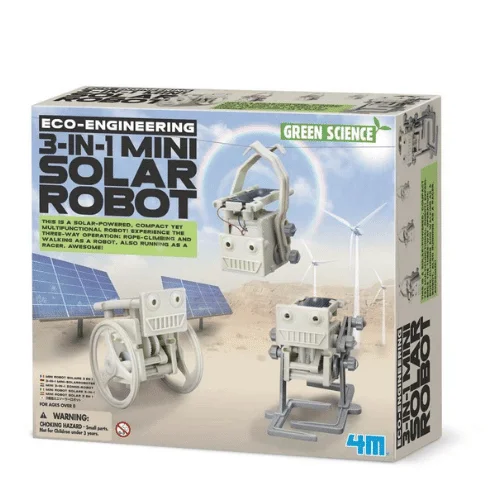 This solar-powered robot is compact yet multifunctional. It
climbs along clothes lines, walks under sunlight and can be transformed in to a cool solar vehicle.
Solar Hybrid Power Rover Robot by Green Science
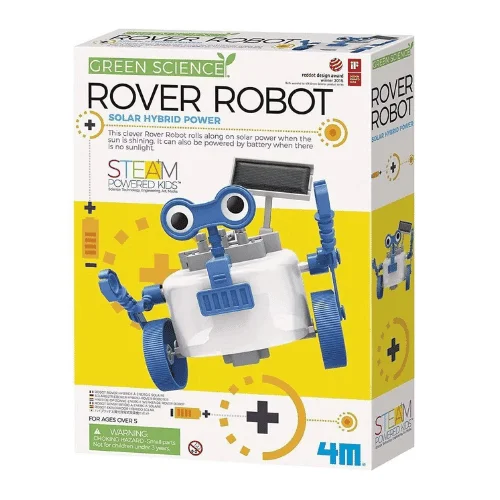 A super cool building experience for your child, this clever Rover Robot rolls along on solar power when the sun is shining. It can also be powered by battery when there is no sunlight.
MakeBlock MBot 2
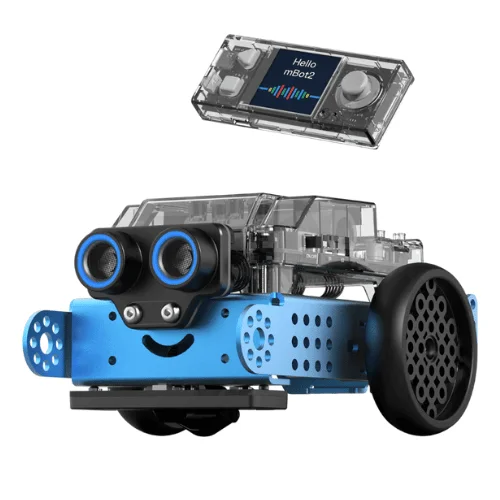 A firm fave amongst our mentors is this little bot, and if you're a member of our in person clubs you'll definitely recognise him! Powered by CyberPi! mBot2 is a next-generation educational robot designed with extended capabilities, starting as entry-level solutions in lower secondary education and going all the way to upper secondary and beyond.
Makeblock Codey Rocky
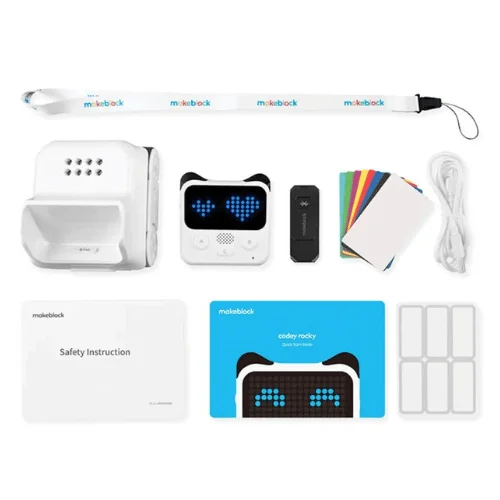 We love Codey Rocky here at The Code Zone! He's been a member of our in person clubs from the beginning! The combination of easy-to-use robotics hardware with block-based programming software mBlock 5, guarantees that beginners can get started...
Artie Max™ by Learning Resources
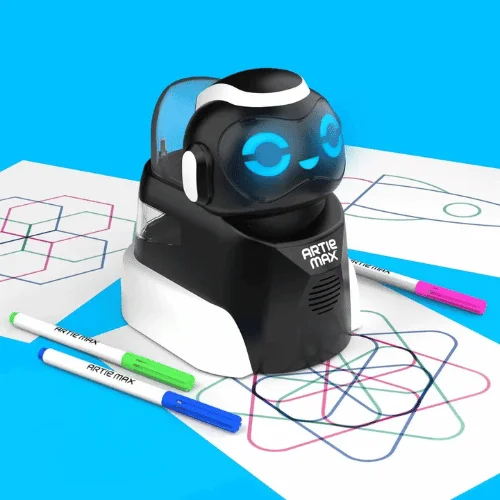 Take creative coding to the max with new Artie Max™ The Coding Robot! Artie Max brings coding and STEM learning to life by converting the code programmed in the simple user interface (UI) into real line drawings in up to 3 different colours.
Making coding fun for kids this little robot has colour changing eyes that make it that little more exciting!
Botley® 2.0 by Learning Resources
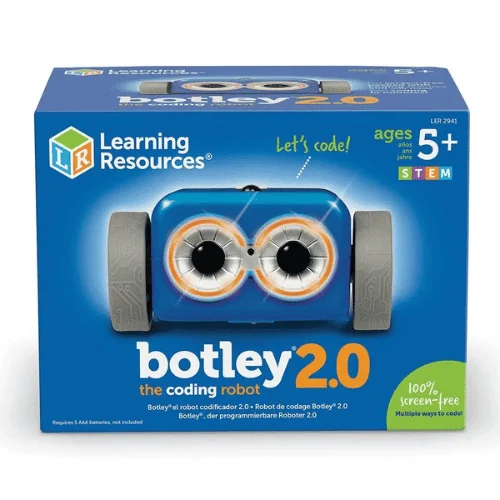
Engage and inspire children with the NEW coding robot, Botley 2.0. This 100% screen-free, coding toy robot will encourage and develop coding and programming skills from ages 5+. Full of fun features and special codes, including light-up eyes for night vision, Botley 2.0 comes packed full of hands-on coding activities and challenges, promoting critical thinking and problem-solving skills.
We hope you enjoy looking through this little gift guide and on behalf of the whole Code Zone team, we wish you a very Merry Christmas and a Happy New Year!
About The Code Zone Academy
Posts like this one are written by the mentors, about what members have been building. The Game Dev Academy has no fixed session time: a new build goes up every week and a child opens it whenever they are ready, with a STEM-certified mentor answering by text and video message when they get stuck.
Children build their own games rather than following a set course, starting in Scratch. Levels move down as readily as up, and staying where you are is a perfectly good outcome. Every mentor is background-checked and STEM-certified.
More like this
The blog is in two halves. Guides are the evergreen explainers written by the mentors who teach the clubs, covering the questions parents actually ask: what comes after Scratch, how to support a coding-mad child when you cannot code yourself, and what works for autistic and ADHD children.
Club news is the other half, and it is where posts like this one live: game jams, Minecraft builds and weekly roundups, written up by whoever ran the session. Neither is marketing. If you want to know what the work actually looks like before you sign up to anything, club news is the more honest read of the two.
Creating an account is free and we do not ask for card details. Create a free account, see what it costs, or read about support for neurodivergent children.


