
Tom's round up Jan 23rd
A big welcome to new teammates, a quick update of the hacks from last week, and the game coming up this week in the Game Dev Club!

Game jams, Minecraft builds and weekly roundups, written by the mentors who ran them. If you want to know what your child would actually be doing on a Tuesday evening, this is it.
Written by our mentors
73 guides for parents · 161 posts from the clubs
A big welcome to new teammates, a quick update of the hacks from last week, and the game coming up this week in the Game Dev Club!
Have you heard of a Unimouse? Well...this week we discovered it in one of our Game Dev Clubs! Read more...
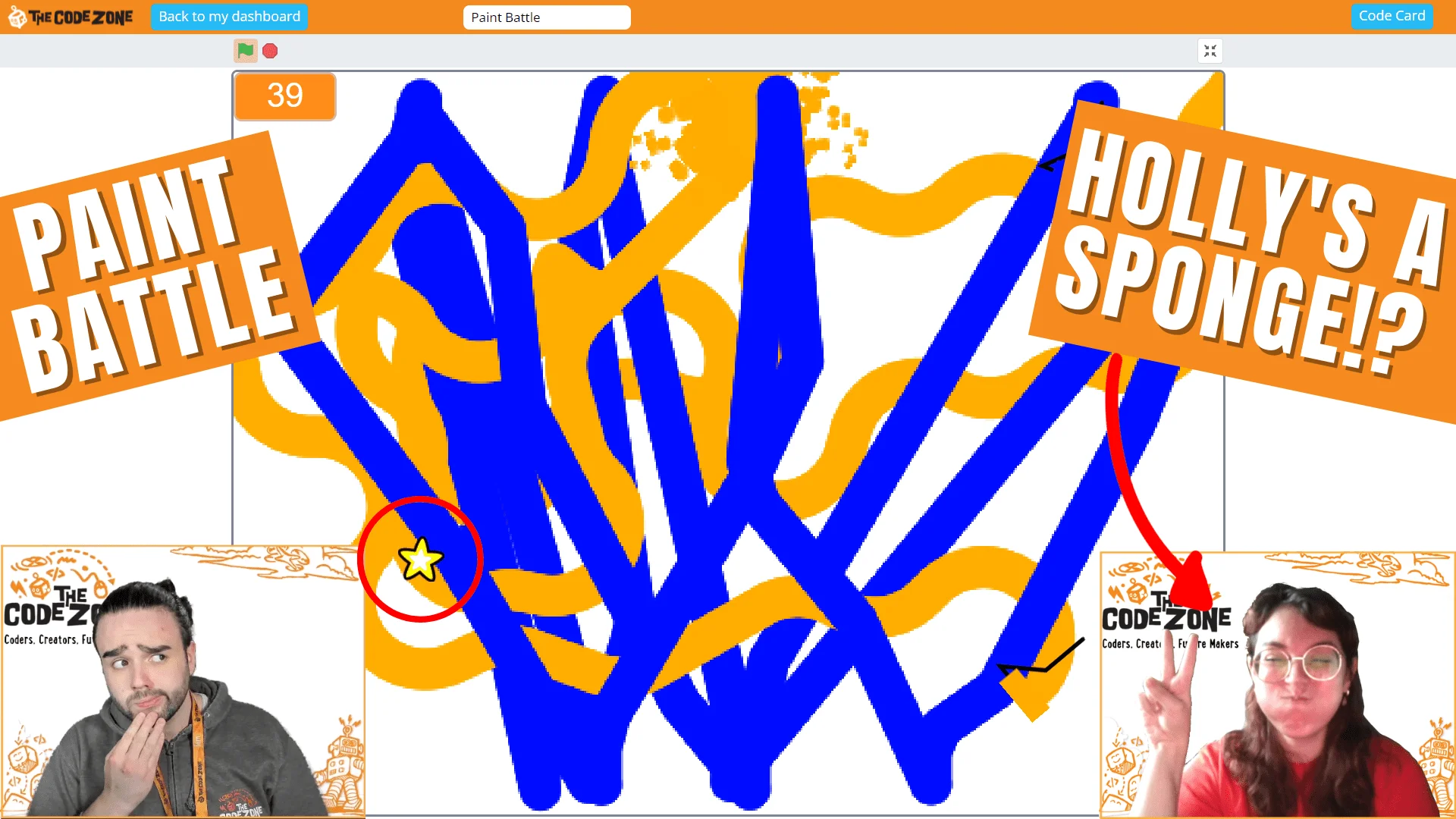
Hellooo!! Tom's finally worked out how to say "hello" and Holly's a....sponge... in this weeks round-up of the game dev clubs and this week's hack "Paint Battle"
Our new years week is over and we're back into the swing of things. Here's an update of the last week from Tom, a round-up of last week and kicking things off this term with a new badge for you to get!
We hope you've had a great Christmas - welcome back for another fun-filled term of tech and coding. Check out the new years badge as well!
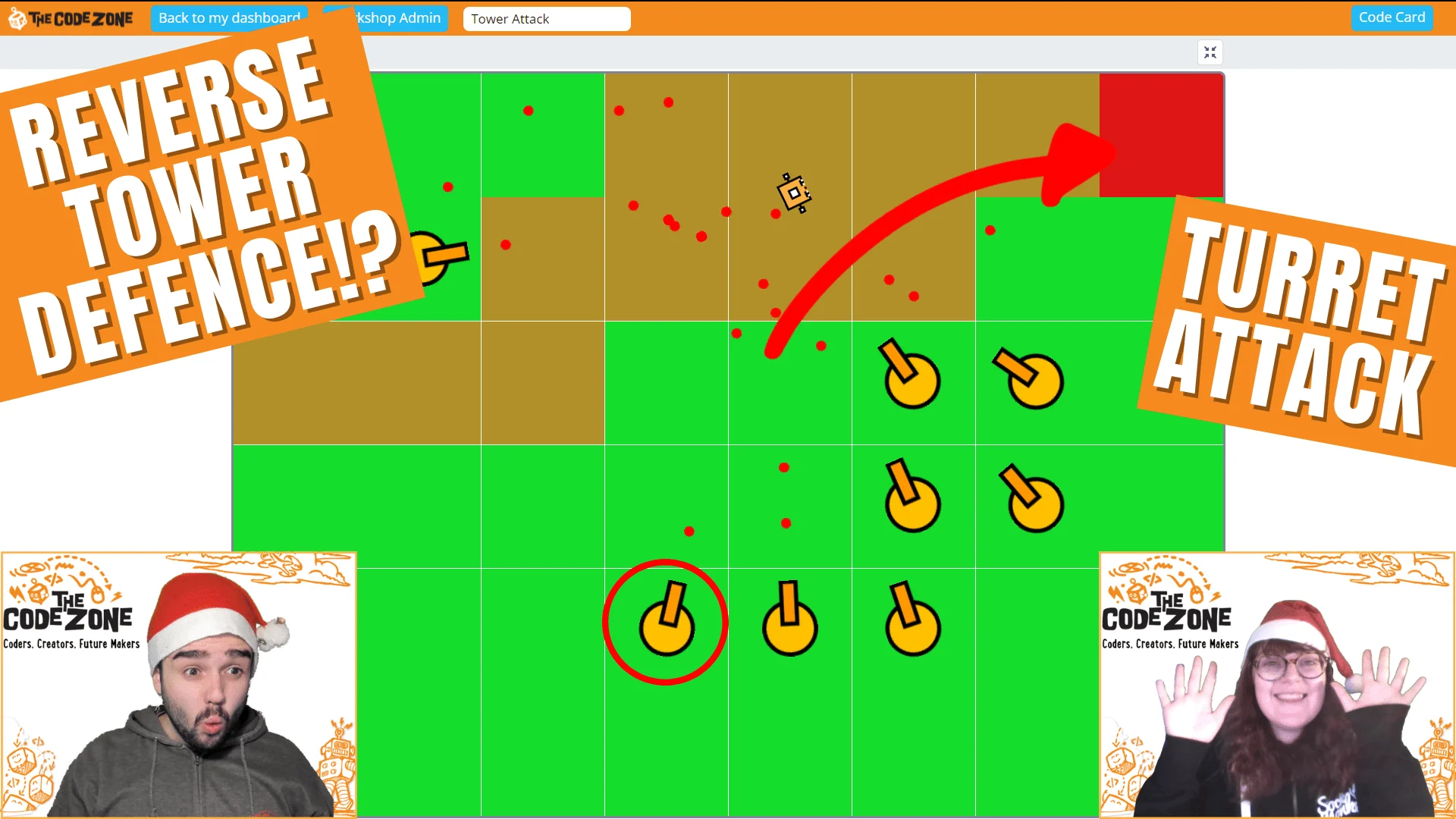
It's our last one before Christmas and the festive hats are out! Tom and Holly talk tower defence, and this week's game dev club challenge - building a reverse version of the game, where you are the runner!
Holly gives us a round-up of the last week in the clubs, some featured projects and a sneak peak in to what's coming up next week!
Our first ever live stream! And a festive one to kick things off...are you ready for Holly's surprise? And is your project featured this week?
If you haven't seen Tom's intro video for The Codey Smart Speaker - check it out on our Facebook page, Twitter or Instagram. We hope you enjoy...
In an industry dominated by men, these women are carving out their own path. And the world is all the better for it.
STAY AHEAD - LEARN TO CODE
With the pandemic pushing us further online, it’s more important than ever that we understand screen time and the effect it can have on our children – both positive and negative.


This is the diary rather than the advice. Every post is written by the mentor who ran the session, usually the same evening, and it is the closest thing we have to letting you look through the window of a coding club for kids before you book anything.
Expect game jams with deliberately strange themes, Minecraft mods that should not work and somehow do, and weekly roundups of what children aged 6 to 16 built that week in Scratch, Python and TypeScript. Some weeks are a triumph.
Some weeks are four children quietly fixing the same bug for an hour, and we write those up too, because that is what learning to code actually looks like most of the time.
We keep it because it is the part parents believe. Anyone can claim small groups and patient mentors on a pricing page. It is harder to fake three years of Tuesday evenings, written up by the people who were in the room.
If you want the practical advice instead, the guides are the other half of the blog: what comes after Scratch, how to choose a club, and what actually works for autistic and ADHD children.
The Code Zone teaches children aged 6 to 16 to code by building their own games. Outside the UK that is the Game Dev Academy, which is self-paced: there is no fixed session time, so a child works at whatever hour suits them in any time zone.
A STEM-certified, background-checked mentor answers by text and video message during the week, so nobody is left on their own with it, and children build their own games rather than working through a set course. Creating an account is free and takes no card details, so you can see the platform before deciding anything.
Children start in Scratch, and the mentor sets harder work as soon as they are ready for it. Levels move down as readily as up so the work always fits, and staying where you are is a perfectly good outcome.
Mentors write a note on every child, which is how we know when somebody is ready to move on, and it is why a child who has gone quiet for three weeks does not simply go unnoticed.
More than a third of our members are autistic or have ADHD, based on what parents tell us when they join.
In 2025 we received the Autism Inclusion Award from the National Autistic Society, the UK's leading autism charity, and in 2026 we were ranked second in the UK in Club Hub UK’s Top 100 Children’s Activity Providers, scored by five independent judges on safeguarding, inclusivity and community impact.
Create a free account Pricing Neurodivergent support Meet the mentors