.webp)
How Older Games Can Help us as Game Makers: The Legend of Zelda
Why are older games worth playing? We take a look...

There is LOADS going on here at The Code Zone - follow here for news and updates from within our clubs
Written by our mentors
15 guides for parents · 64 posts from the clubs
Why are older games worth playing? We take a look...
What a day we've had here at The Code Zone!
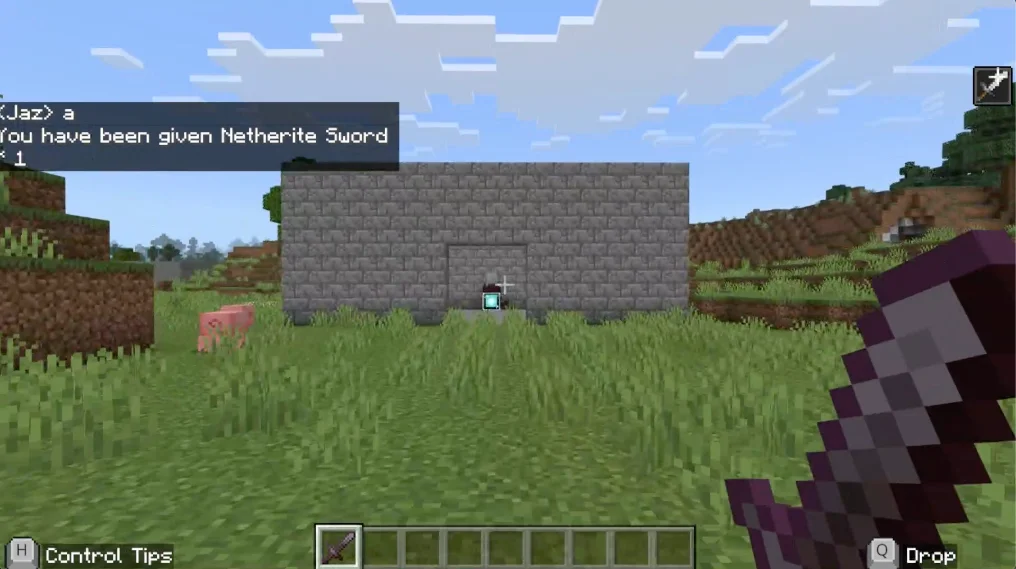
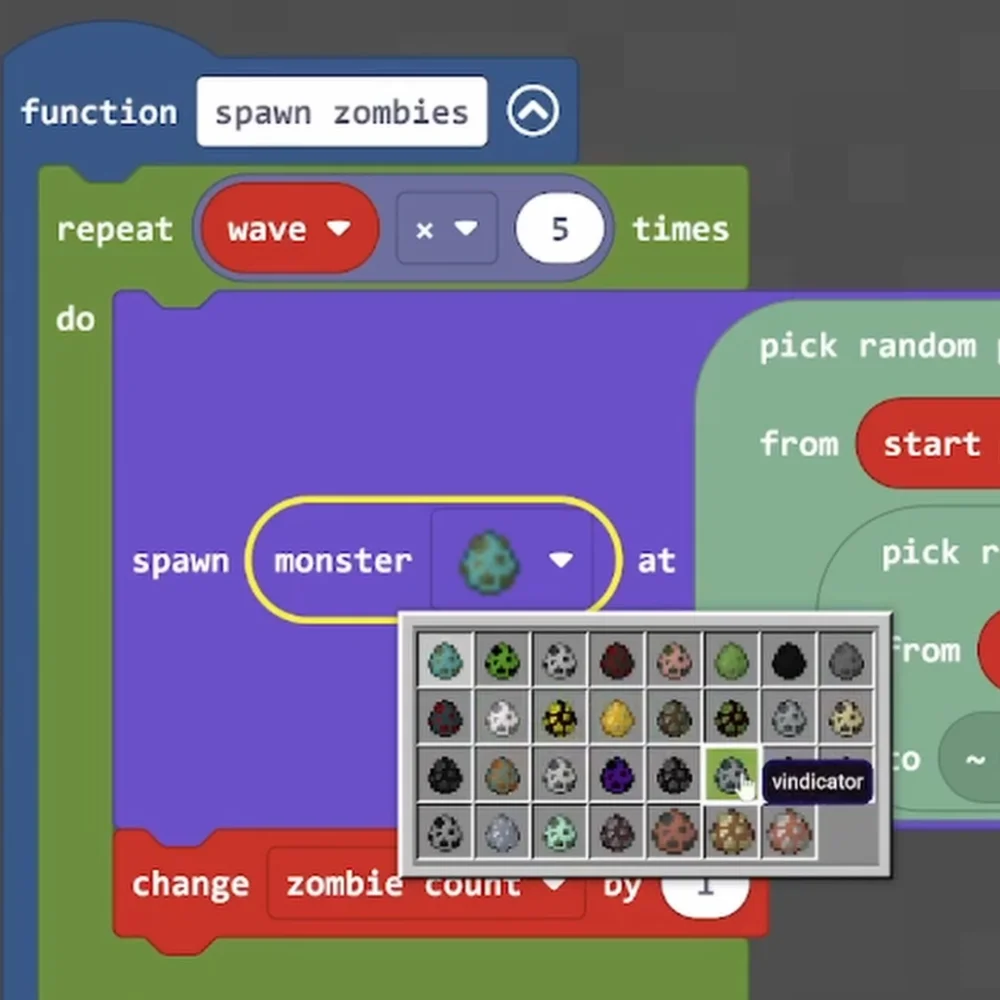
In this week's Minecraft Mod Club, we are continuing our Minecraft Mini Game Series by coding our very own Monster Arena Game!
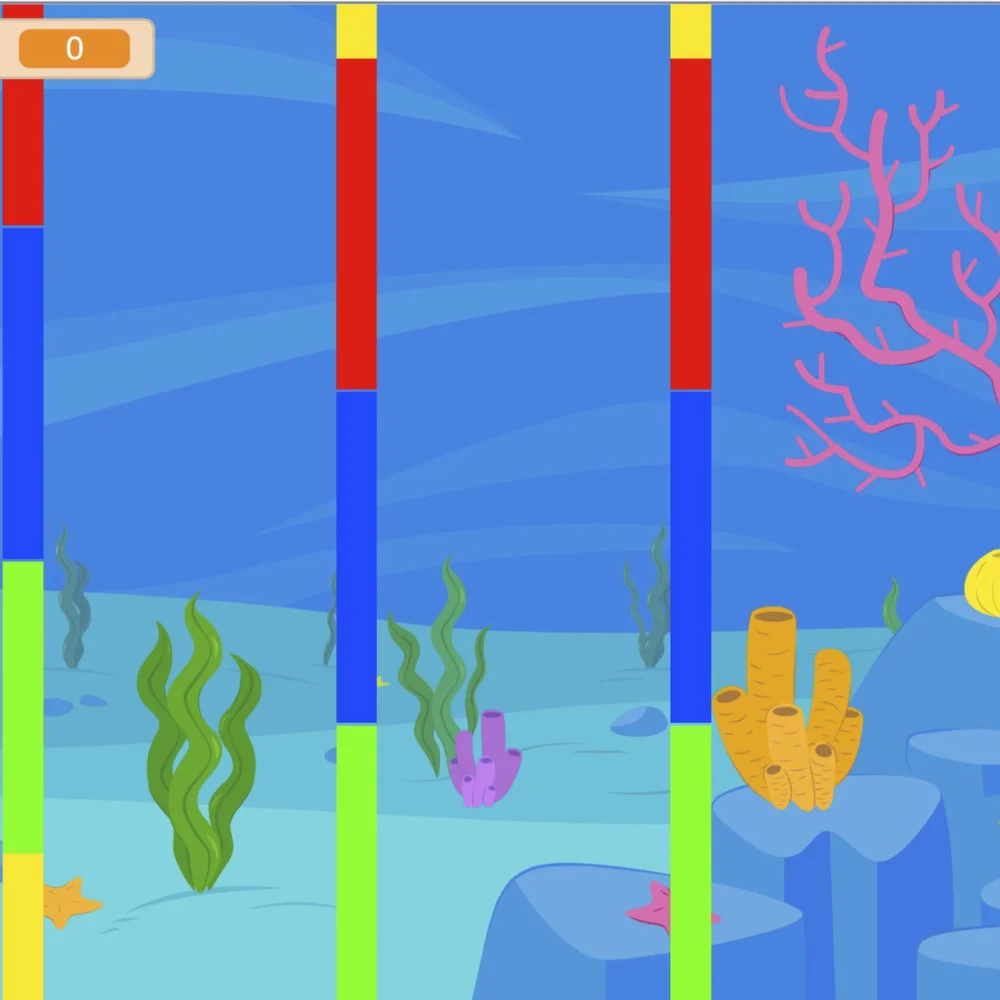
We are back in Game Dev Club and this week our hackers are playing 'Colour Run'.
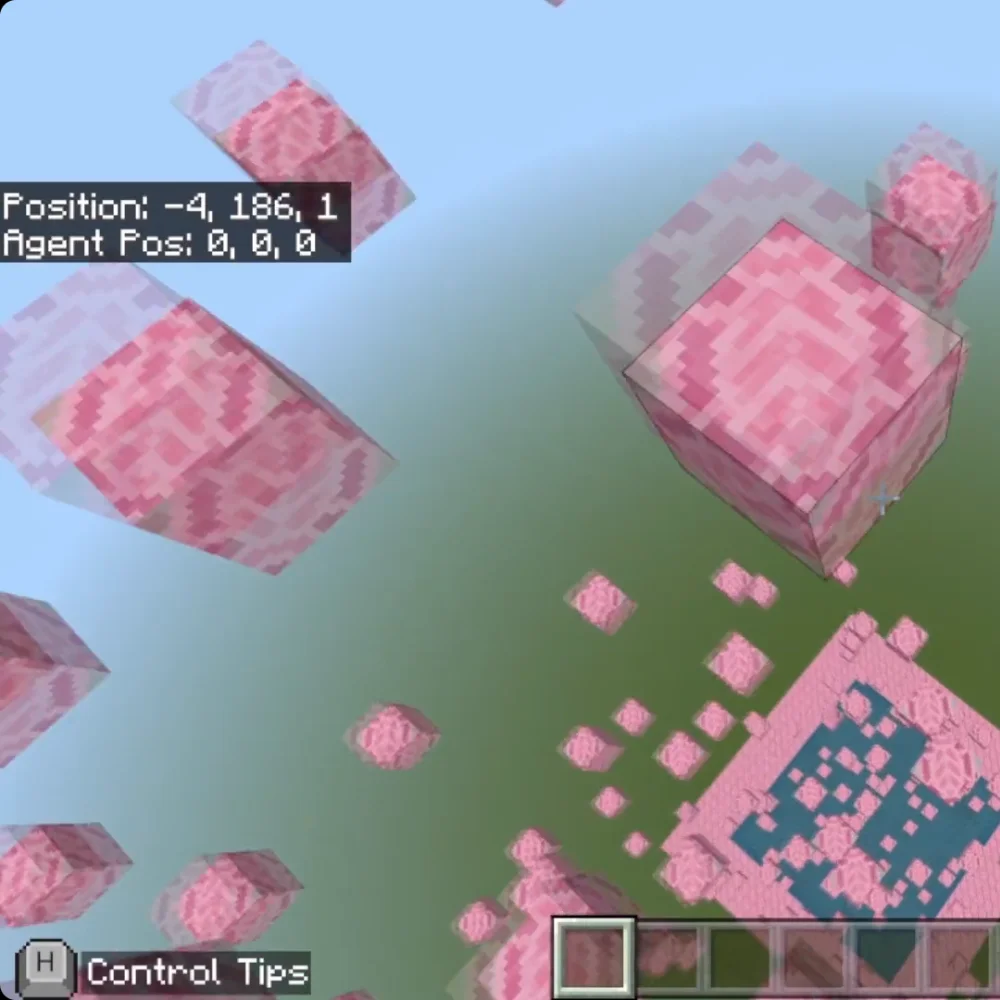
In this week's Minecraft Mod Club, we are continuing our Minecraft Mini Game Series by coding our very own game of Dropper!
The latest on all the mods and hacks available this week to test your kids' coding skills!
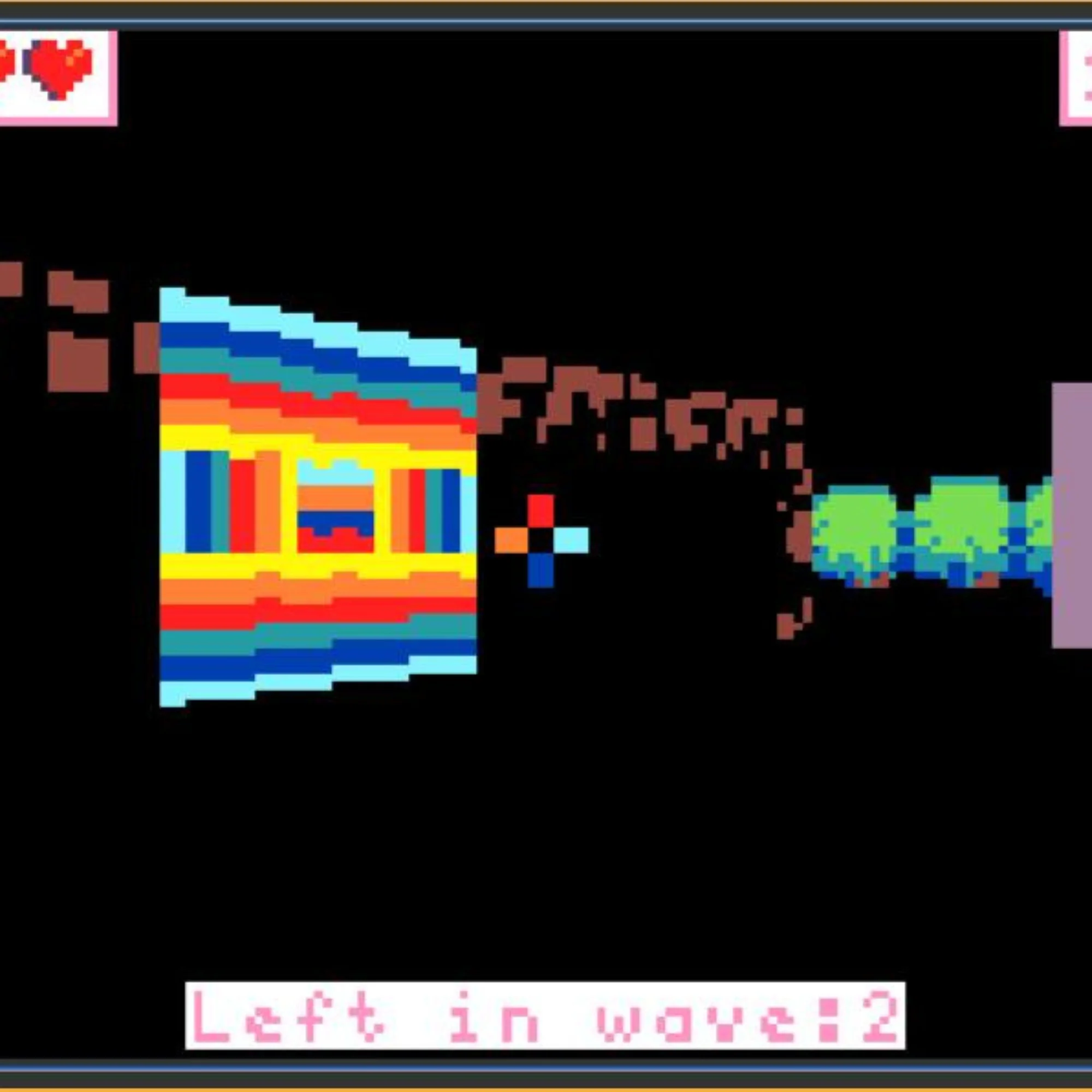
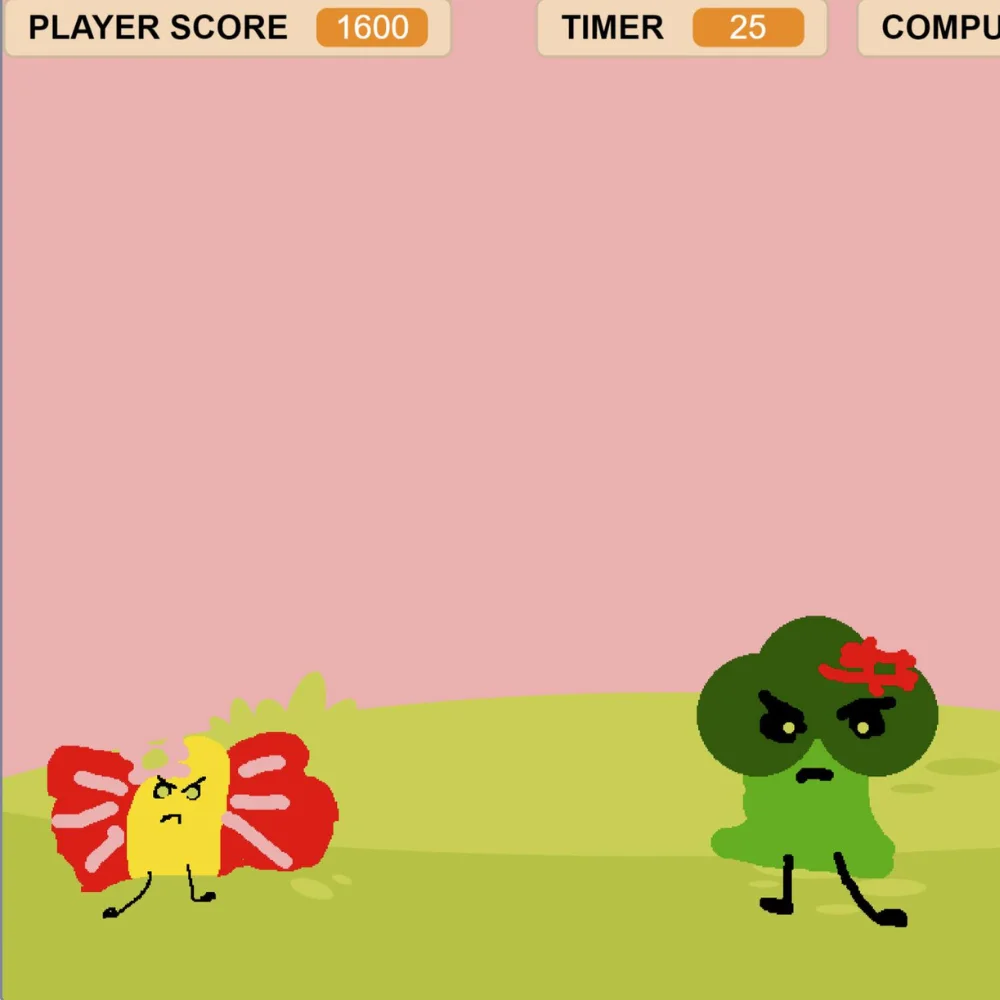
We are back at it again this week modding our Shadowy Shootout game
Since 2019, The Code Zone has been inspiring passion for coding in people of all ages.
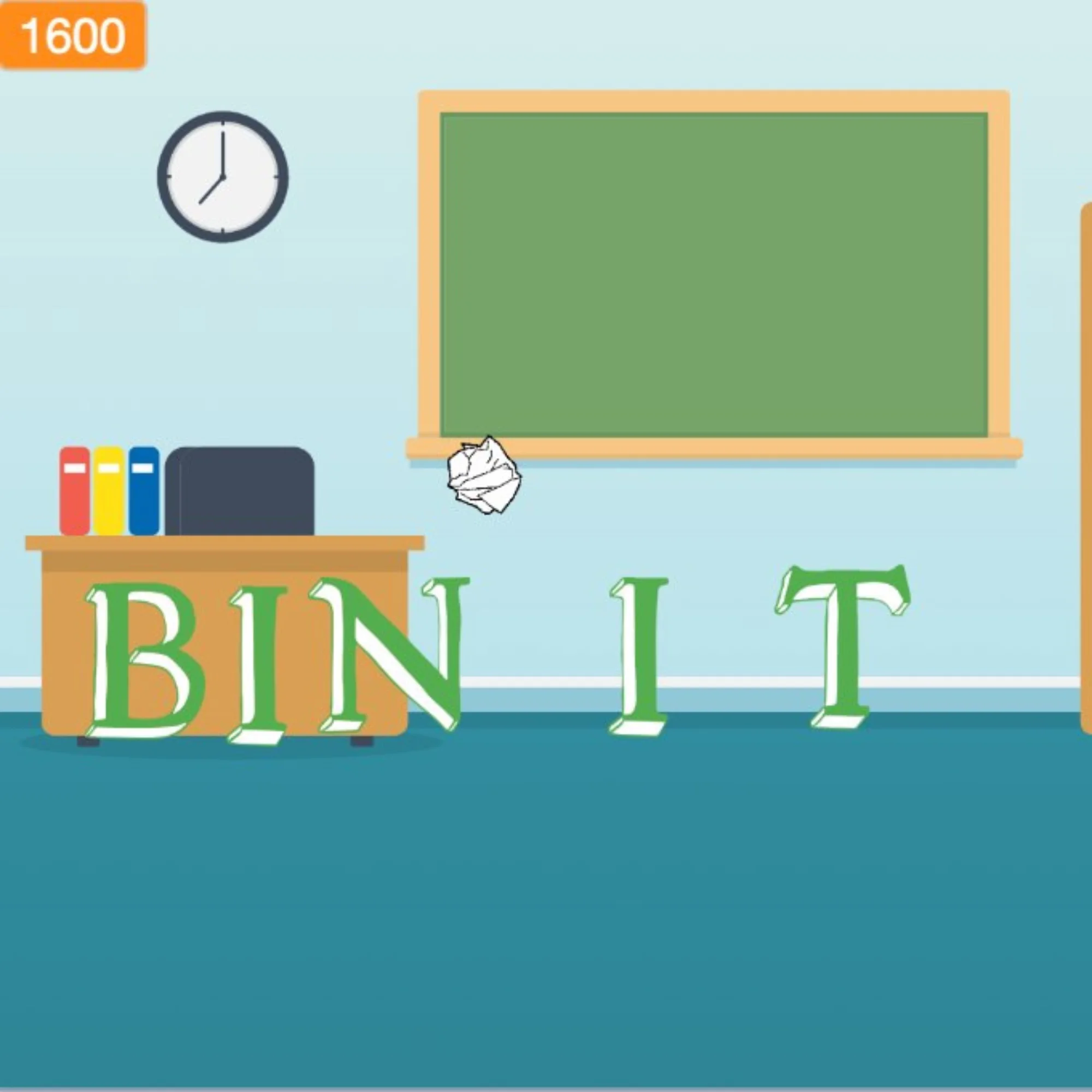
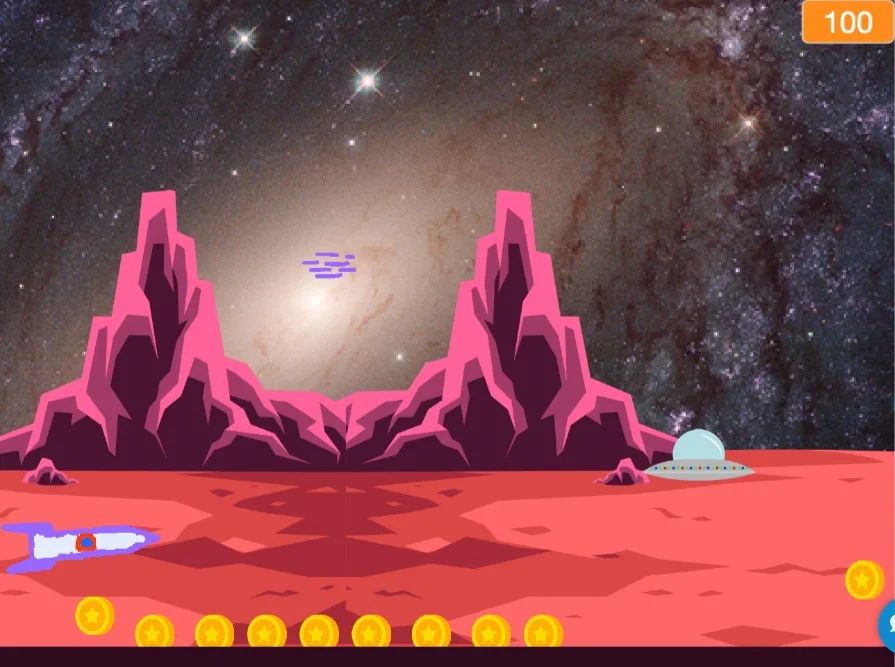
Another week, another Scratch game for our GameDev Club members - this time we are playing Jetpack Jumper!
We are shaking things up in our Minecraft Mod Club!
In 2014, changes to the national curriculum were made specifically in ICT to help with the introduction of coding to children, replacing ICT with ‘Computing’.
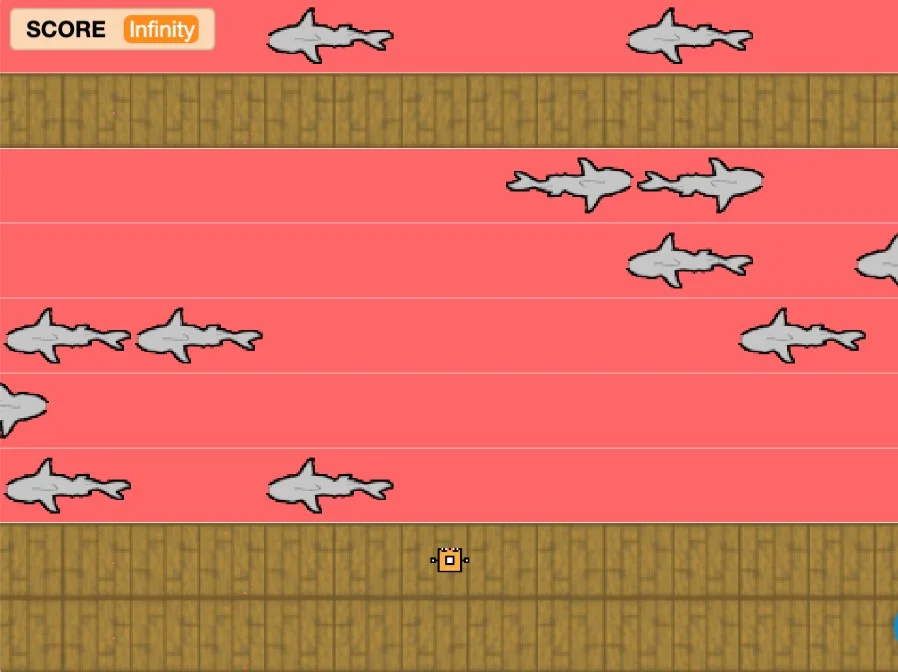
This week at The Code Zone, hackers are playing GameDev Club's latest game 'Shark Attack'.


What has been happening across the clubs, written up by the mentors who were there. New levels, new challenges, children moving up, and the occasional thing that went sideways in an interesting way.
Our clubs run for one hour a week in groups of no more than six, with the same mentor every week, online, wherever they are. Children build their own games rather than working through a set course, so no two weeks look quite the same and no two children are doing the same thing at the same time. These updates are where that shows.
They are also how we tell parents about changes without burying them in an email. New clubs opening, timetable changes around the school holidays, and anything else worth knowing if your child already comes to us.
A lot of what follows is game jams. We set a theme, announce it across the clubs, and children spend a few weeks building whatever it suggests to them - past themes have included Evolution, Elemental Powers and The Floor is Lava. There is no brief beyond the theme and nothing to finish by a deadline anybody can fail, which is why the entries range from a polished two-screen platformer to something genuinely strange that only makes sense to its author. Both get written up.
The weekly round-ups are the other half. A mentor picks out what happened in their sessions: a child who finally got collision detection working, a bug that took three weeks and turned out to be one character, someone moving up a level. They are short and they are specific, and they are the closest thing we have to showing you an ordinary hour rather than telling you about it.
If you are still deciding whether to join, the guides section is more useful: it covers what to ask any coding club, when a child is ready to move from Scratch to Python, and what works for autistic and ADHD children.
The Code Zone teaches children aged 6 to 16 to code by building their own games. Outside the UK that is the Game Dev Academy, which is self-paced: there is no fixed session time, so a child works at whatever hour suits them in any time zone.
A STEM-certified, background-checked mentor answers by text and video message during the week, so nobody is left on their own with it, and children build their own games rather than working through a set course. Creating an account is free and takes no card details, so you can see the platform before deciding anything.
Children start in Scratch, and the mentor sets harder work as soon as they are ready for it. Levels move down as readily as up so the work always fits, and staying where you are is a perfectly good outcome.
Mentors write a note on every child, which is how we know when somebody is ready to move on, and it is why a child who has gone quiet for three weeks does not simply go unnoticed.
More than a third of our members are autistic or have ADHD, based on what parents tell us when they join.
In 2025 we received the Autism Inclusion Award from the National Autistic Society, the UK's leading autism charity, and in 2026 we were ranked second in the UK in Club Hub UK’s Top 100 Children’s Activity Providers, scored by five independent judges on safeguarding, inclusivity and community impact.
Create a free account Pricing Neurodivergent support Meet the mentors