Minecraft Round Up - Let's Play Dropper
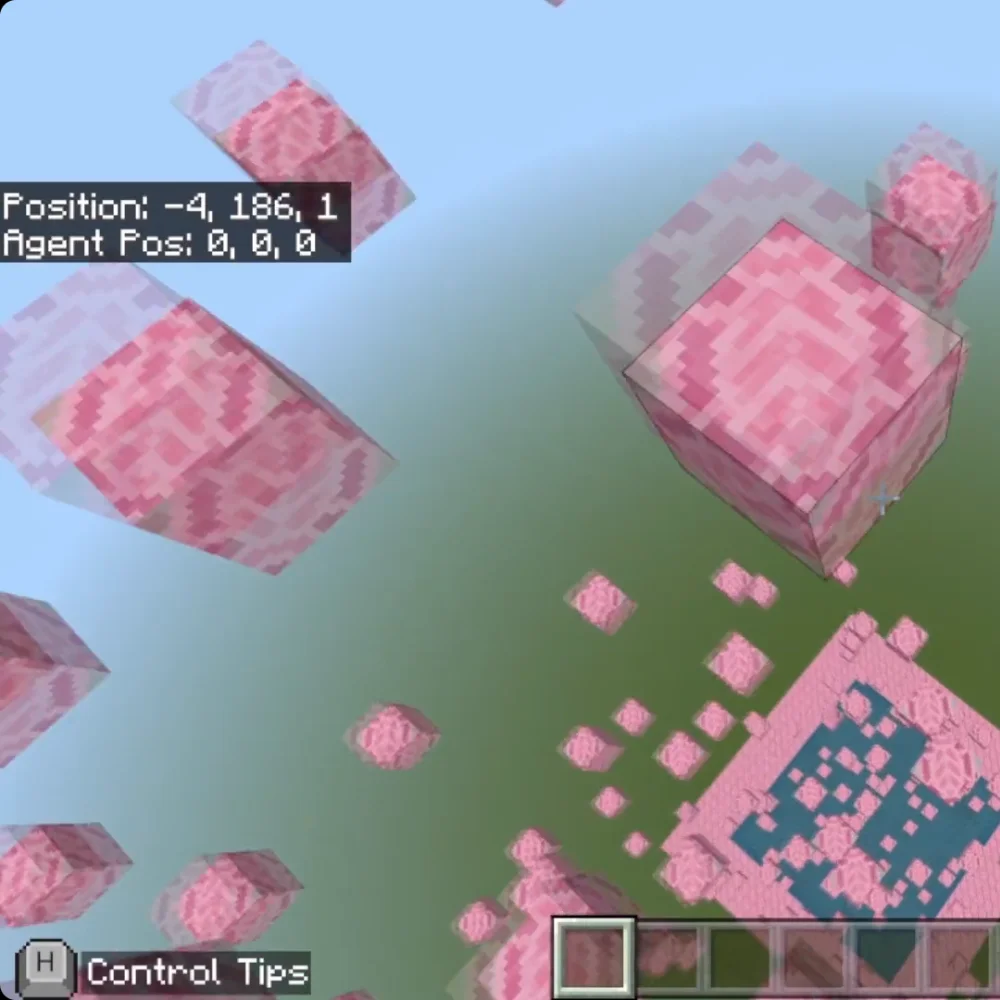
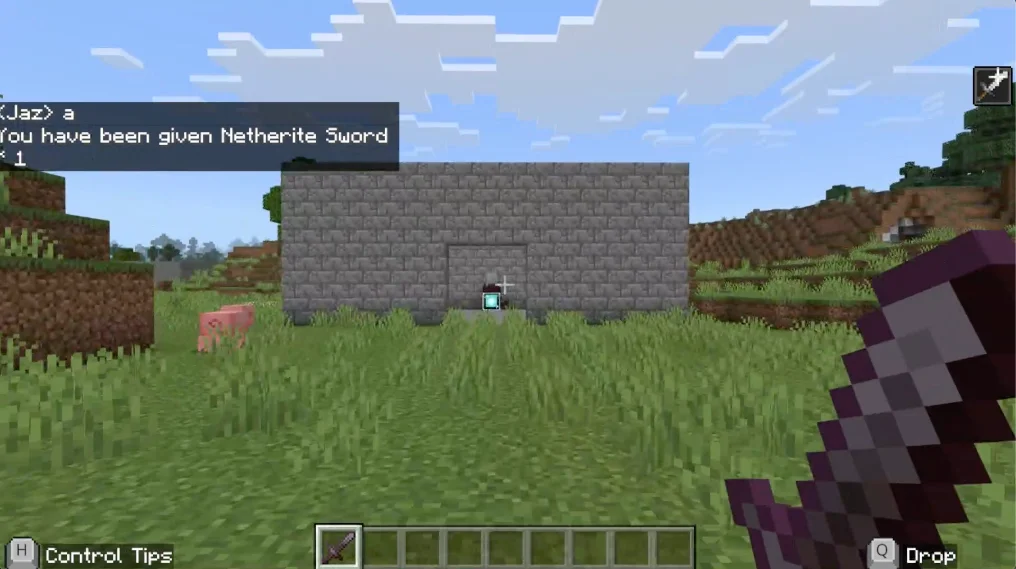
In this week's Minecraft Mod Club, we are continuing our Minecraft Mini Game Series by coding our very own game of Dropper!

Follow for updates in the Minecraft Mod Club.
Written by our mentors
5 guides for parents · 14 posts from the clubs
In this week's Minecraft Mod Club, we are continuing our Minecraft Mini Game Series by coding our very own game of Dropper!
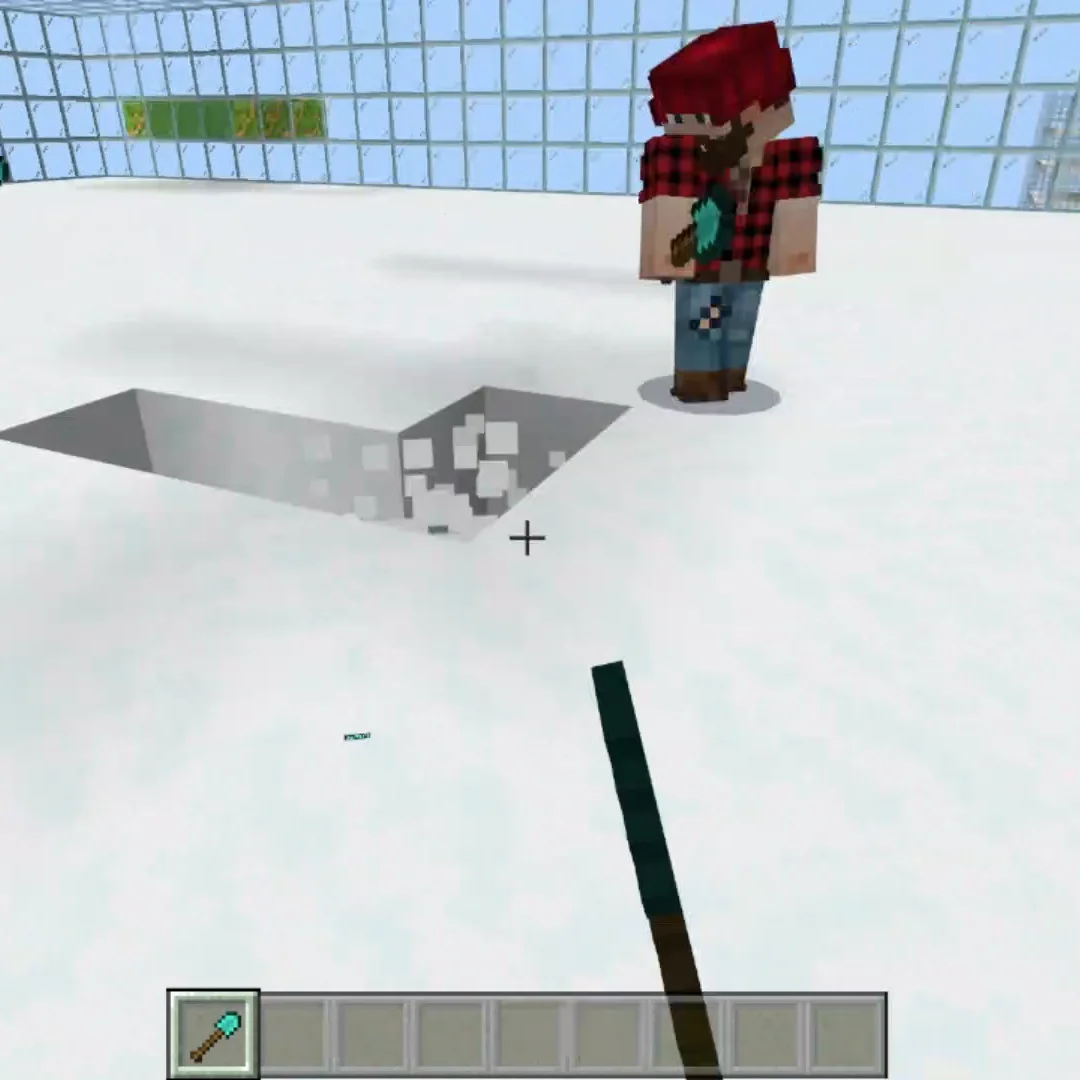
In this week's Minecraft Mod Club, we are continuing our Minecraft Mini Game Series by coding your own Spleef Arena!
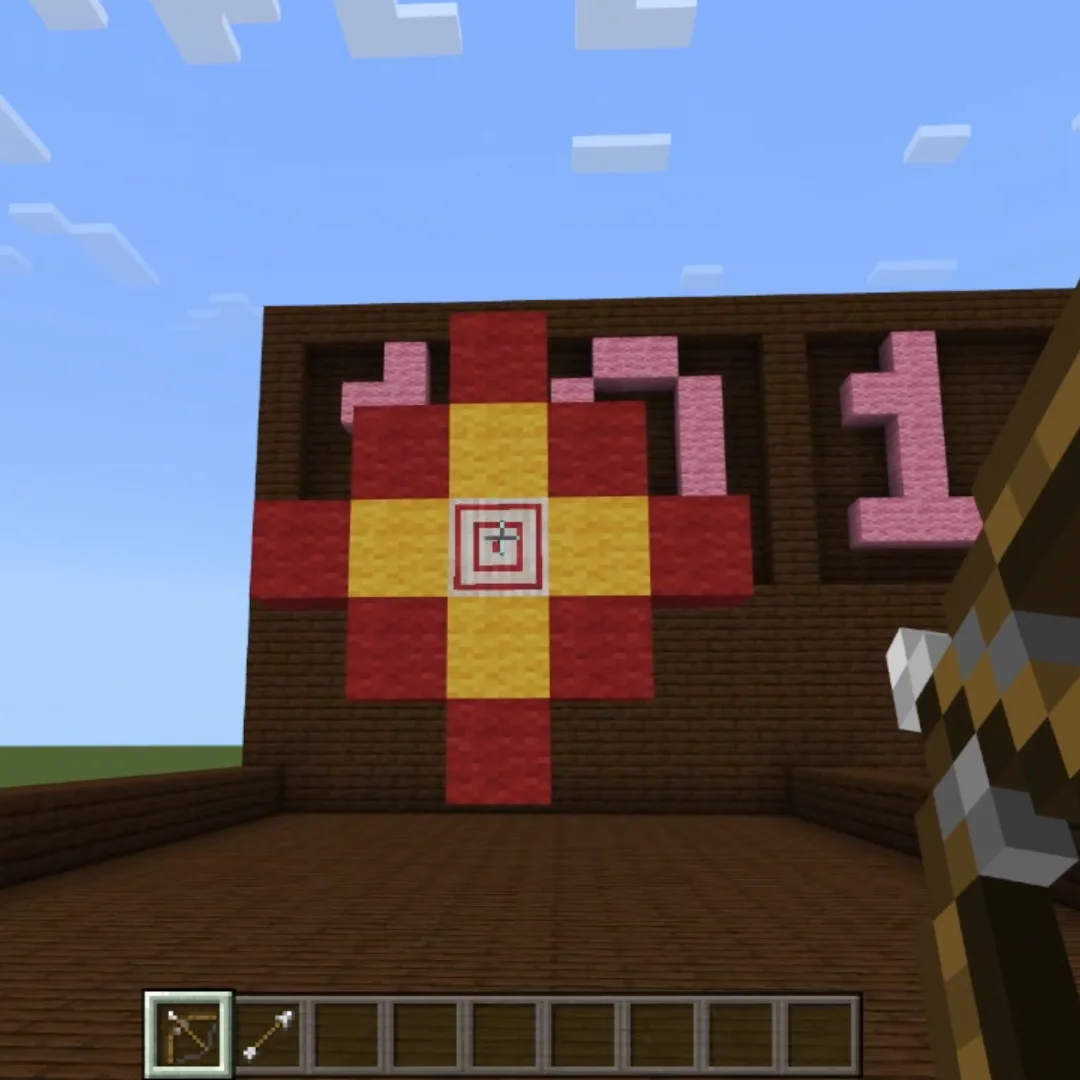
In this week's Minecraft Mod Club, we are continuing our Minecraft Mini Game series and coding our very own game of Archery Range
We are shaking things up in our Minecraft Mod Club!
Welcome back to another Minecraft Mod Club 'Let's Build' episode with Jaz and Calum. This week, we will be coding a new theme for this term: Minecraft Mini Games!
It's time for another Minecraft Mod Club 'Let's Build' episode
Kids Love Minecraft....so let's make it education & fun!


Minecraft Mod Club uses Minecraft Education Edition to teach real code. Children write mods rather than just playing: custom blocks, new behaviours, things the game does not do out of the box. For a child who would happily spend all weekend in Minecraft, it is usually the easiest way in.
Modding is a good bridge because the feedback is immediate and visible. Change the code, reload the world, see whether the block behaves. That makes the jump from block-based coding to written code less abrupt than it usually is, which is the point where most children stall when they are learning on their own.
It is included with every membership rather than sold separately. Sessions run for one hour a week in a group of no more than six, with the same background-checked, STEM-certified mentor, and children build their own projects rather than following a set course.
These posts are what came out of those sessions: builds, mods, and the occasional redstone contraption that took three weeks and worked once. If your child is not a member yet, the first session is a free account with no card details required.
The Code Zone teaches children aged 6 to 16 to code by building their own games. Outside the UK that is the Game Dev Academy, which is self-paced: there is no fixed session time, so a child works at whatever hour suits them in any time zone.
A STEM-certified, background-checked mentor answers by text and video message during the week, so nobody is left on their own with it, and children build their own games rather than working through a set course. Creating an account is free and takes no card details, so you can see the platform before deciding anything.
Children start in Scratch, and the mentor sets harder work as soon as they are ready for it. Levels move down as readily as up so the work always fits, and staying where you are is a perfectly good outcome.
Mentors write a note on every child, which is how we know when somebody is ready to move on, and it is why a child who has gone quiet for three weeks does not simply go unnoticed.
More than a third of our members are autistic or have ADHD, based on what parents tell us when they join.
In 2025 we received the Autism Inclusion Award from the National Autistic Society, the UK's leading autism charity, and in 2026 we were ranked second in the UK in Club Hub UK’s Top 100 Children’s Activity Providers, scored by five independent judges on safeguarding, inclusivity and community impact.
Create a free account Pricing Neurodivergent support Meet the mentors
.webp)