
The Code Zone's Reaction to the Online Safety Act
Technology companies will have to take more action to keep children safe on the internet, following the introduction of the Online Safety Act.
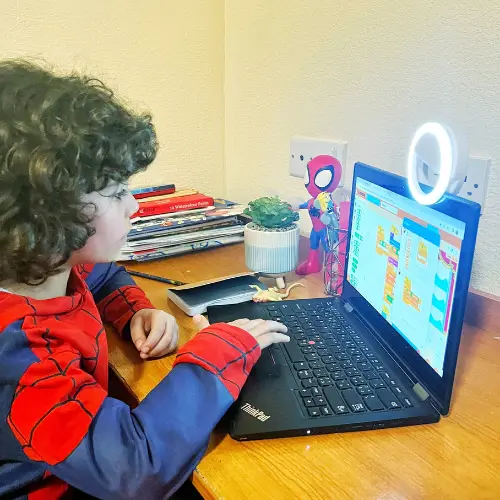
At The Code Zone, our ethos is making online learning fun and accessible with a high priority on online safety for all of our members. That is why we are thrilled to hear that other tech companies are following suit in taking more action to keep children safe online with the introduction of the Online Safety Act.
The Online Safety Act, which comes into force in 2025, enforces social media companies and search engines to put measures in place to protect children from harmful material. Though the emphasis of the Online Safety Act is on social media and search engines, we believe everyone and anyone with an online presence and influence have a responsibility to create a safe environment for all children online.
Which is why all of our trusted mentors at The Code Zone carry an enhanced DBS check and undergo extensive training in child online safety, children's welfare and safeguarding before they even meet any of our young coders. Our priority is keeping children safe online, as well as giving them the skills needed to use technology safely and responsibly.
According to the BBC, children between the ages of 8 and 17 are spending up to 5 hours online a day. However it is important to note that, according to Ofcom, over half of the children over 12 believe that being online is good for their mental health. So instead of denying children's time online, we need to instead ensure that the experience is a safe and positive one.
Though the Online Safety Act is a great step forward, it is still essential to take steps in helping your child navigate the web.
-Talk to children about online safety regularly
-Be interested and invested about how they spend their time online
-Explore their online activities together; learn about your children's favourite apps, websites and games
-Discuss online rules as a family, listening to what is important and interesting to your children's online experience whilst also keeping them safe
-Get to know who your children are talking to online
-Understand parental controls and supervised accounts for different apps and devices
You can find out more information about how to navigate the online world with your child on our other blog our guide to digital life for parents and children.
If you or your child are ever in doubt or want to talk to us about children's online safety, please reach out to our mentors and have a conversation.
Have fun and stay safe!
About The Code Zone
The Code Zone teaches children aged 6 to 16 to code by building their own games. Outside the UK that is the Game Dev Academy: self-paced, so a child works at whatever hour suits them in any time zone, with a background-checked, STEM-certified mentor answering by text and video message.
It started in Britain, where in 2026 it was the highest-placed coding club in Club Hub UK's Top 100 Children's Activity Providers, and in 2025 received the Autism Inclusion Award from the National Autistic Society, the UK's leading autism charity. More than a third of members are autistic or have ADHD, based on what parents tell us when they join.
More like this
The blog is in two halves. Guides are the evergreen explainers written by the mentors who teach the clubs, covering the questions parents actually ask: what comes after Scratch, how to support a coding-mad child when you cannot code yourself, and what works for autistic and ADHD children.
Club news is the other half, and it is where posts like this one live: game jams, Minecraft builds and weekly roundups, written up by whoever ran the session. Neither is marketing. If you want to know what the work actually looks like before you sign up to anything, club news is the more honest read of the two.
Creating an account is free and we do not ask for card details. Create a free account, see what it costs, or read about support for neurodivergent children.


