
How our coding clubs for children work
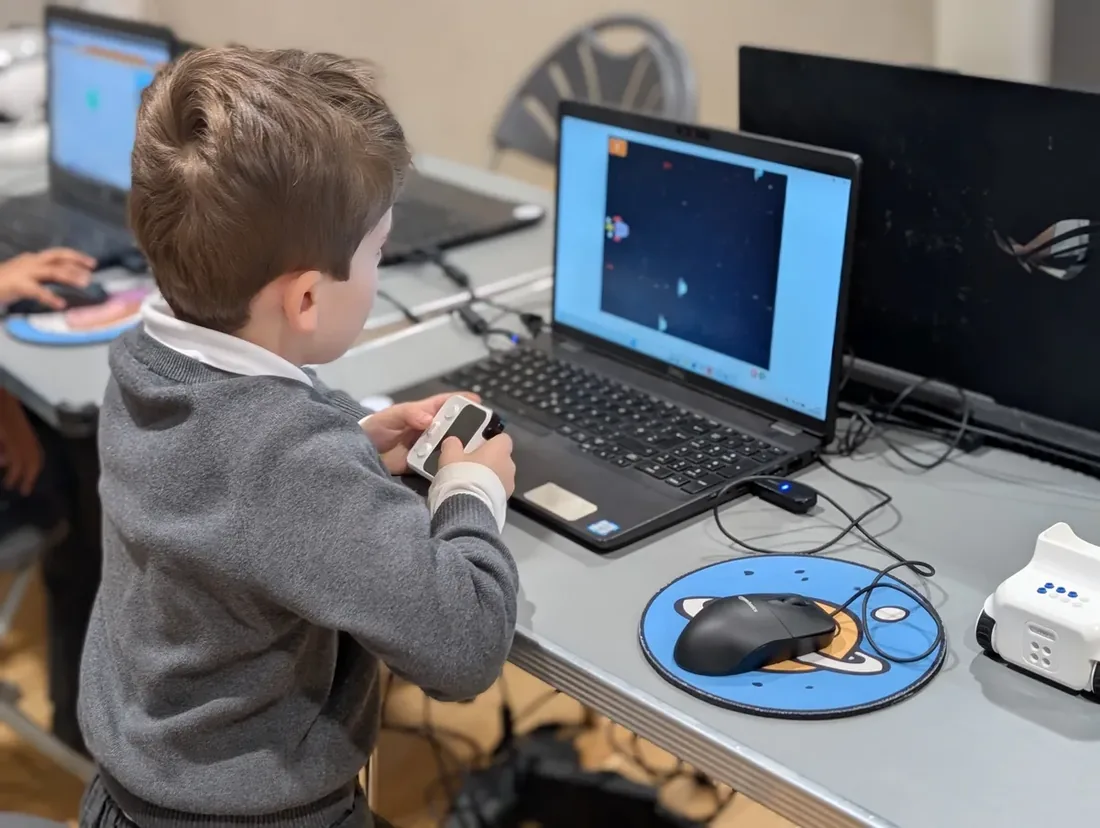
Have fun, build games, learn to code. The Code Zone turns play into making. Members play, hack and mod real games, and pick up genuine code along the way!
Nothing to buy and nothing to set up: a laptop and an internet connection is the whole kit list. Beginners start in Scratch and work up to Python and TypeScript at their own pace.
Play it, then build it!
How it works
Three things happen every week, and they are the same three things whether your child has coded before or has never opened Scratch.

Learn by building games
Learn to code through game development, building real coding skill along the way!

A mentor alongside them
Stay engaged with mentor support by text and video message through the week.
Level up and earn awards
Level up and earn awards! Every level comes with a STEM certified certificate.
Spiral based learning
Our spiral approach revisits concepts over time, deepening understanding and boosting confidence in coding skills.
What that means in practice
Most courses teach an idea once, tick it off and move on. A spiral approach brings the same idea back three or four times, each time inside something harder that your child actually wants to make.
A loop turns up first in a Scratch platformer, then again in a Minecraft mod, then again in a Python game. By the third time round nobody has to explain what a loop is.
Why we work this way
It means there is no single week your child can miss and be lost afterwards. If something has not landed yet, it comes round again in a different game.
It also means nobody is stuck waiting. A child who picks an idea up quickly meets it again in a harder form rather than sitting through it twice.
Round again, one step higher!
Beginners
Ages 6 to 10
- Learn to code your first games in Scratch
- Move from levels 1 to 6 in Hackers Club
- Have fun “hacking” games with guided code skills
Intermediate
Ages 11 to 14+
- Write pseudo code in Python
- Level up from 1 to 6 in Modders Club
- Build and mod your own games
Advanced
All ages
- Write advanced Python and TypeScript
- Build with object-oriented code
- Build advanced game projects
Ages are a guide, not a gate. Levels move down as readily as up, so the work always fits, and staying where you are is a perfectly good outcome.
Join The Code Zone
Create a free account.. no card needed
Find out more

Meet the mentors
The people helping your children learn to code. Every one of them is STEM certified and background-checked.
Read about our mentors
Find the right club
Which club suits your child, from complete beginners through to advanced coders.
Compare the clubs
The STEM award program
How levels and certificates work, from the first Hackers Club level through to Architect.
See the awardsWhat the first month actually looks like
Creating an account comes first, and it takes no card details, so you can look at the platform and the projects before deciding anything. If it is not right you simply do not subscribe.
Week one is usually spent working out what your child wants to make. Some arrive knowing exactly what they want to build and others need a few weeks of trying things before anything sticks. Both are normal and neither is a problem.
By about week four most children have something they are protective of, which is the point at which they start asking to be shown things rather than waiting to be taught.
How we know how it is going
Mentors write a note on every kid every week. That is how we know when somebody is ready to move up a level, and it is why a child who has gone quiet for three weeks does not simply go unnoticed. Ask us at any point and we will tell you what those notes say, including the parts that are not flattering.
Levels move down as readily as up, so the work always fits. Nothing is forced, and staying where you are is a perfectly good outcome.
FAQ
From the blog

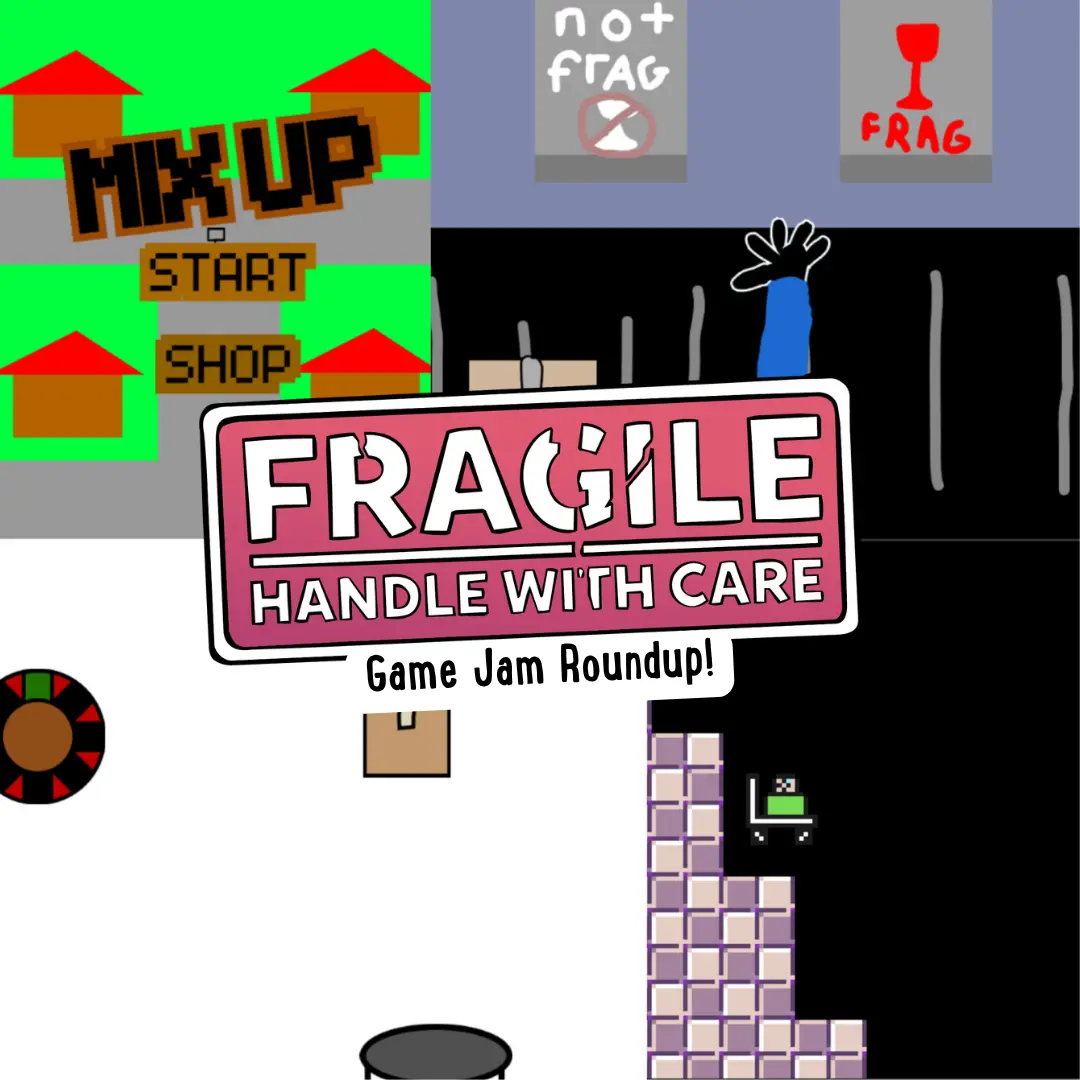
What are the children building this month?
One email a month: the games our members have made, what is coming up, and the odd thing worth trying at home. No pressure, and you can leave whenever you like.