Everything here is written by the mentors who run our coding clubs for children aged 6 to 16, which means it comes from people who spend their evenings watching children actually learn to code rather than from a marketing team.
The guides answer the questions parents send us. When a child is ready to move on from Scratch to Python. What to do when a coding-mad child has outgrown everything you can find for them. Whether coding clubs work for autistic and ADHD children, and what to ask any club before you pay for it. How to help with a bug when you cannot code yourself. None of them need you to be technical, and none of them assume you have already decided to join anything.
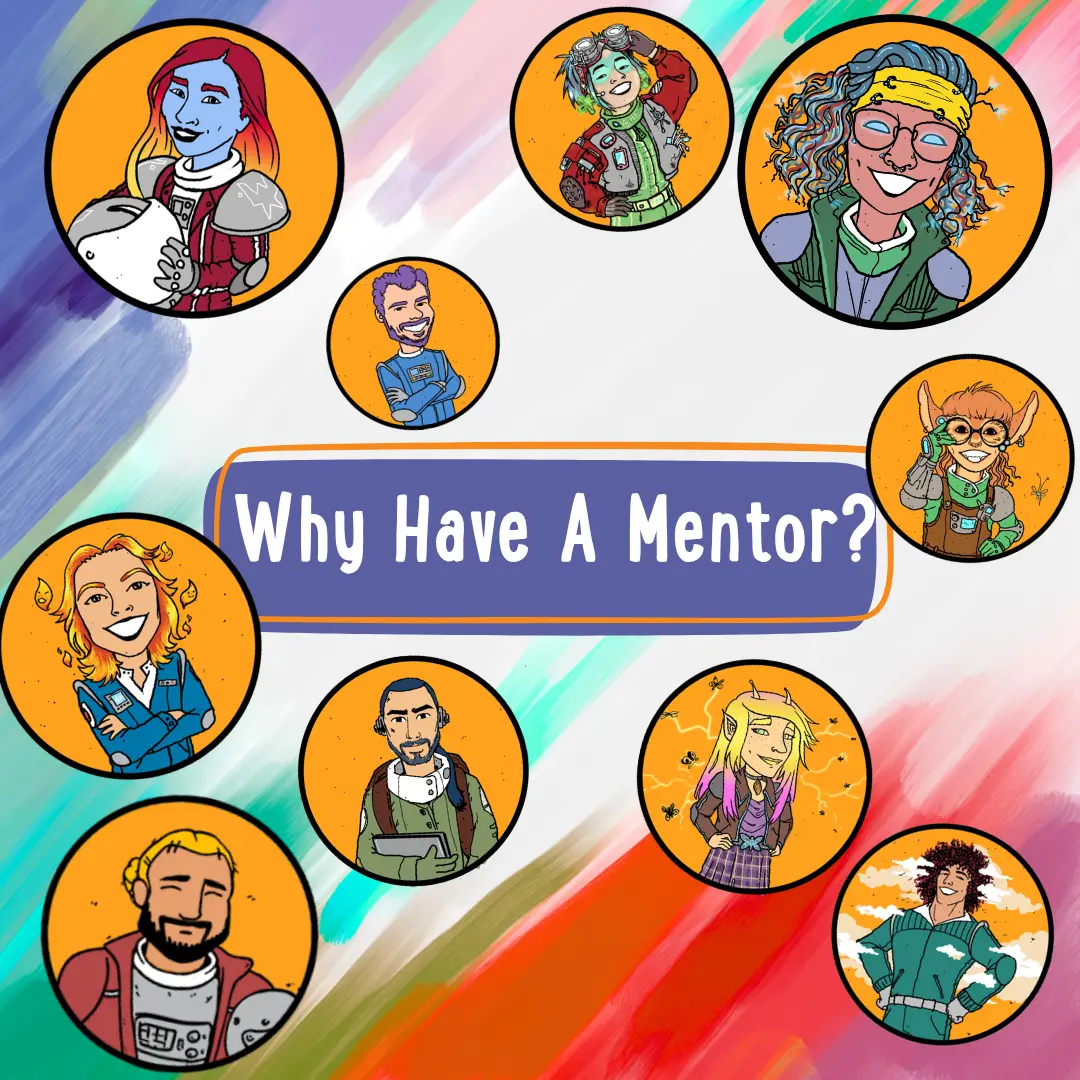
We try to be honest about the limits too. Several guides recommend platforms we do not teach and tools we do not sell, because a parent working out what comes next deserves the whole picture rather than the part that suits us. Where we do make the case for a mentor, it is because the thing no platform can do is notice that a child has gone quiet.
If you would rather see what a session is really like before reading advice about one, club news is the other half of the blog: game jams, Minecraft builds and weekly roundups written up by whoever ran them.
The Code Zone teaches children aged 6 to 16 to code by building their own games. Outside the UK that is the Game Dev Academy, which is self-paced: there is no fixed session time, so a child works at whatever hour suits them in any time zone.
A STEM-certified, background-checked mentor answers by text and video message during the week, so nobody is left on their own with it, and children build their own games rather than working through a set course. Creating an account is free and takes no card details, so you can see the platform before deciding anything.
Children start in Scratch, and the mentor sets harder work as soon as they are ready for it. Levels move down as readily as up so the work always fits, and staying where you are is a perfectly good outcome.
Mentors write a note on every child, which is how we know when somebody is ready to move on, and it is why a child who has gone quiet for three weeks does not simply go unnoticed.
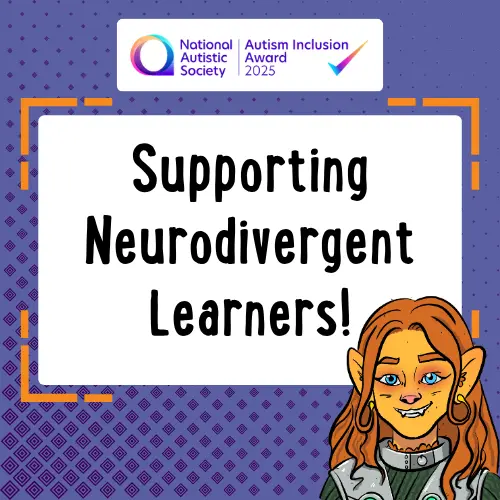
More than a third of our members are autistic or have ADHD, based on what parents tell us when they join.
In 2025 we received the Autism Inclusion Award from the National Autistic Society, the UK's leading autism charity, and in 2026 we were ranked second in the UK in Club Hub UK’s Top 100 Children’s Activity Providers, scored by five independent judges on safeguarding, inclusivity and community impact.


%20SQUARE.webp)