Recap: Spring 2024 Game Jam - Egg-cellent Adventures Galore!

What an Egg-citing end to the Spring Game Jam 2024!

As of Friday this week, the Spring 2024 Game Jam has come to an end, leaving behind a trail of egg-citing adventures crafted by talented coders. With the theme "Egg-cellent Adventure" in mind, participants unleashed their creativity and coding prowess to deliver a diverse array of egg-themed games that captivated players and mentors alike.

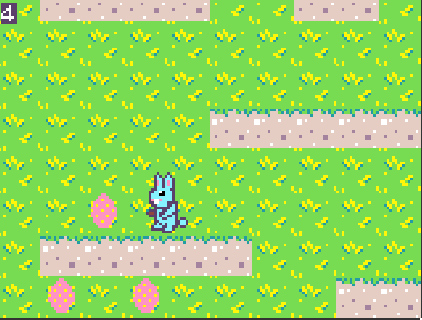
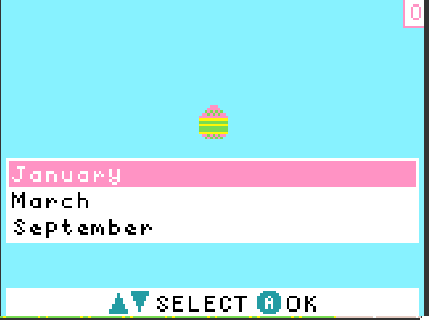
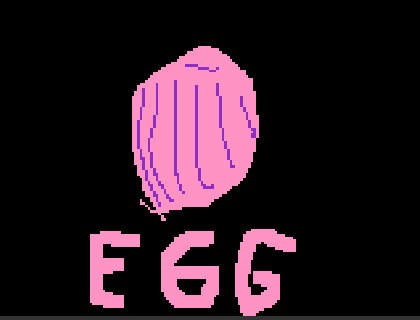
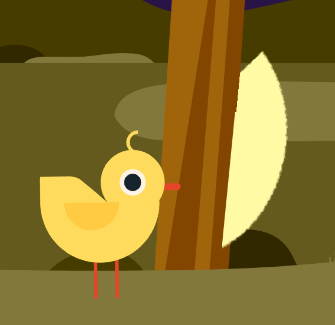
From traditional Easter motifs to futuristic Egg adventures, the submissions showcased the boundless imagination of the coding community. One standout entry embraced the festive spirit of Easter with an quirky Easter Quiz, challenging players with egg-themed trivia and puzzles. Another entry took us to a snowy wonderland, where a cute bouncing bunny was on a quest to collect Easter eggs.

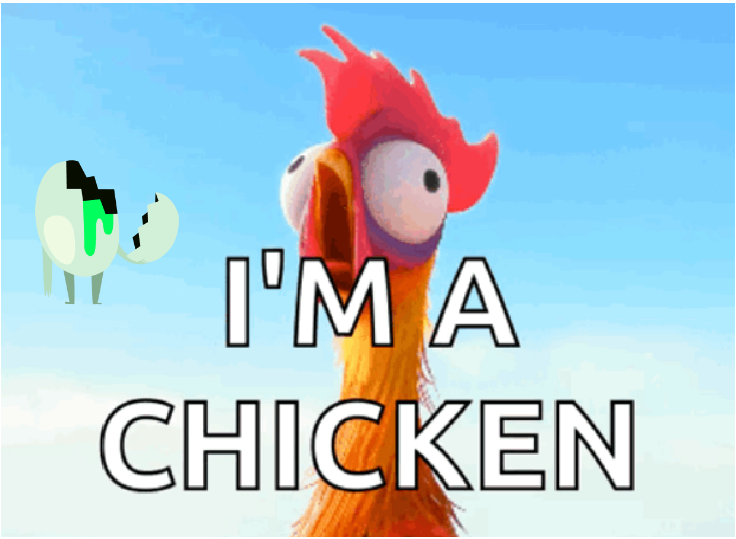
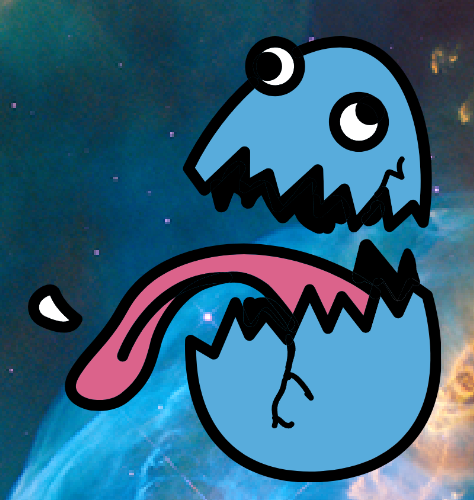
However, it wasn't just about fluffy bunnies and Easter eggs; some entries took players on  journeys out of this world! One such game featured a thrilling showdown between a huge space-Egg-monster and a daring spaceship armed with laser beams! Talk about cosmic chaos!

Throughout the Game Jam, participants demonstrated not only their technical code skills but also their passion & creativity for game development. We love the hard work you all have put into this Game Jam!

Until next time, happy coding!

How a game jam works

  1. Six to eight weeks of club

    An hour a week, the same mentor, a group of no more than six. Over a term the pieces stack up: events, loops, variables, functions, and whatever else the thing they are building turns out to need.

  2. Then the holidays, and a theme

    We announce a theme and stop there. No brief, no worksheet, and no deadline you can fail. It is the one stretch of the year with an unbroken run at a single idea, which is why most of the building happens here rather than in the term.

  3. Then somebody else plays it

    Finished games go up on our own platform and on this page, where sharing between members is moderated by mentors. Other children play them and award XP. Having a stranger pick up the thing you made is the part that keeps children coming back.

The games our members made

15 games 15 makers 153 XP awarded by other members Built in MakeCode and Scratch

Every one of these is playable in the browser, no account needed. Have a go at a few.

Scratch 30 XP (coding experience points)

Egg invaders

by Niall

arrow keys to move,space to shoot have fun!

MakeCode 20 XP (coding experience points)

The Final Egg

by MiraGlew

THE FINAL EGG You must find the Final Egg in a short but fun python game! This took me quite a while so please enjoy! :)…

MakeCode 17 XP (coding experience points)

Egg-cellent Adventure

by Becky

Collect eggs to defeat the monesters and save easter!

Scratch 12 XP (coding experience points)

Yolk Quest

by Lauren

Yolk Quest! Move your mouse to help the monster collect the eggs and grow bigger. WATCH OUT! Eat a bad egg and your…

MakeCode 6 XP (coding experience points)

Easter quiz

by TaishaKARANTH

EASTER QUIZ!! Answer the questions corretcly to help the egg hatch! If you answer the fourth question incorrectly…

MakeCode 3 XP (coding experience points)

Egg-cellent Adventure

by Harun

you have to fullscreen for the amazing expirience of EGG!

Scratch 2 XP (coding experience points)

easter egg hunt

by Ellis2

use aroow keys to move and space to collect egg

Scratch

Egg-cellent Adventure

by Jarvis

This is my game. Move the cat around and get points...

About our game jams

A game jam is a themed build: we announce a theme, and children across the clubs spend a few weeks making something from it. There is no brief beyond the theme and nothing to finish by a deadline you can fail. Children share what they made on our own platform, where chat and sharing between members is moderated by mentors.

Jams run alongside the ordinary weekly clubs rather than instead of them. A Game Dev Club session is one hour a week, in a group of no more than six, with the same DBS-checked, STEM-certified mentor each week.

Children build their own games rather than working through a set course, starting in Scratch or MakeCode and moving to Python and TypeScript when they are ready.

Past themes have included Evolution, Elemental Powers, The Wall of Doom and Strange Sports, and the results range from a two-screen platformer to something genuinely strange that only makes sense to its author. Both count. A jam is the one point in the year where the brief is deliberately loose, which is when children who normally follow instructions carefully surprise everybody.

Mentors write a note on every child after every session, which is how we know when somebody is ready to move up a level, or would rather stay where they are. Levels move down as readily as up, so the work always fits.

More than a third of our members are autistic or have ADHD, based on what parents tell us when they join, and in 2025 we received the Autism Inclusion Award from the National Autistic Society.

Children can keep the camera off, type instead of speaking rather than being put on the spot, take a break without it disrupting anyone, and step away and come back.

Jams tend to be where that matters most: a deadline nobody set and a theme nobody has to interpret the same way is a much easier place to take a risk than a classroom is.

Live clubs run online across the UK and in person across Essex, Hertfordshire, Cambridgeshire and Suffolk. Over 1,000 children are enrolled. In 2026 we were ranked second in the UK in Club Hub UK’s Top 100 Children’s Activity Providers, scored by five independent judges on safeguarding, inclusivity and community impact.

More like this

The blog is in two halves. Guides are the evergreen explainers written by the mentors who teach the clubs, covering the questions parents actually ask: what comes after Scratch, how to support a coding-mad child when you cannot code yourself, and what works for autistic and ADHD children.

Club news is the other half, and it is where posts like this one live: game jams, Minecraft builds and weekly roundups, written up by whoever ran the session. Neither is marketing. If you want to know what an hour actually looks like before you book anything, club news is the more honest read of the two.

The first session is a free taster and we do not ask for card details. Book a free taster session, see what it costs, or read about support for neurodivergent children.

Chat to our mentors